
Exploring the psychology of winning at casinos what really drives player behavior
The Thrill of Winning: A Psychological Perspective
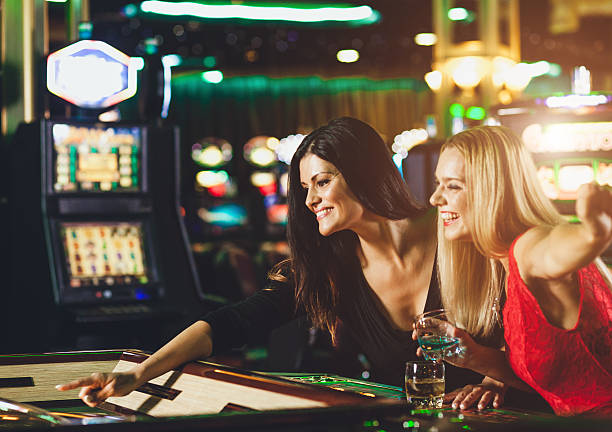
The psychology surrounding winning in casinos is deeply intertwined with human emotions. The thrill of hitting a jackpot or winning a hand can trigger a rush of dopamine, the feel-good neurotransmitter associated with pleasure and reward. Many players seek out the best offshore betting sites due to this chemical reaction, which not only enhances the immediate joy of winning but also reinforces the behavior, making them more likely to seek out that exhilarating experience again. This is a classic example of operant conditioning; the reward encourages players to return to the tables or slots in hopes of recapturing that high.
Additionally, the unpredictability of winning contributes significantly to player behavior. The concept of variable rewards, where players receive rewards at unpredictable intervals, creates an addictive cycle. This unpredictability can lead to what psychologists refer to as the ‘gambling fallacy,’ where players believe that past outcomes influence future results, prompting them to continue betting in hopes of winning.
The Role of Environment in Casino Psychology
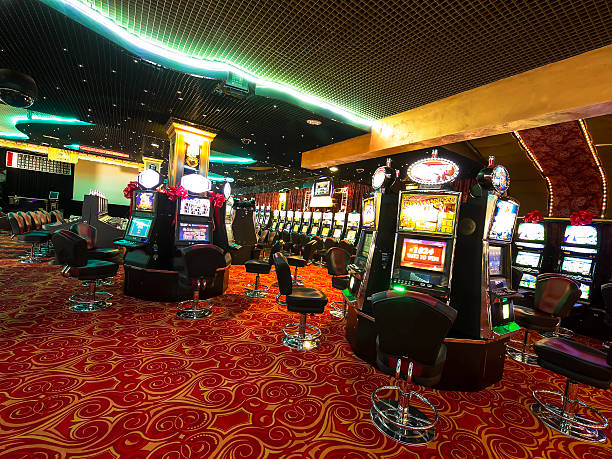
The casino environment is meticulously designed to enhance the gaming experience and influence player behavior. From the sounds of coins clinking to the vibrant lights, everything in a casino is curated to create an atmosphere of excitement and allure. This sensory overload can heighten emotions and make players more susceptible to staying longer and betting more.
Moreover, casinos utilize spatial design to guide player movement and encourage prolonged engagement. The absence of clocks and windows creates a disorienting effect, leading players to lose track of time. This environment can amplify the desire to win, as players often feel more immersed in the experience, making them less aware of their financial limits.
Cognitive Biases and Decision-Making in Gambling
Cognitive biases play a crucial role in shaping player behavior at casinos. One prevalent bias is the belief in ‘hot’ or ‘cold’ streaks, where players perceive that certain machines or tables are more favorable based on recent results. This erroneous belief can lead to irrational decision-making, as players may continue wagering despite unfavorable odds, driven by the hope that luck will change in their favor.
Additionally, confirmation bias can further entrench these beliefs. Players tend to remember wins more vividly than losses, leading them to overestimate their chances of winning in the future. Such biases contribute to a gambler’s fallacy, where players become trapped in a cycle of chasing losses, deepening their commitment to the game, often to their own detriment.
The Social Aspect of Gambling
Gambling is often a social activity, and the interactions players have can significantly influence their behaviors and choices. Many players participate in gaming with friends or join groups, creating a sense of camaraderie and shared excitement. This social component can enhance enjoyment and lead to a more significant emotional investment in the gaming experience.
Furthermore, casinos frequently offer loyalty programs and rewards that foster a sense of belonging among players. These programs can create a community of regulars who cheer each other on, enhancing the overall experience. Social pressures can also play a role, leading individuals to gamble more to fit in or impress peers, further driving behavior that aligns with the thrill of winning.